BestCalcHub
BestCalcHub
Online calculators
Engineering7 min read

NPSH in Boiler Feed Pump Sizing

Learn what NPSH means for boiler feed pump sizing, including NPSHa, NPSHr, hot feedwater, suction losses, cavitation, and pump selection checks.

By MuneebPublished 2026-08-13Updated 2026-08-13
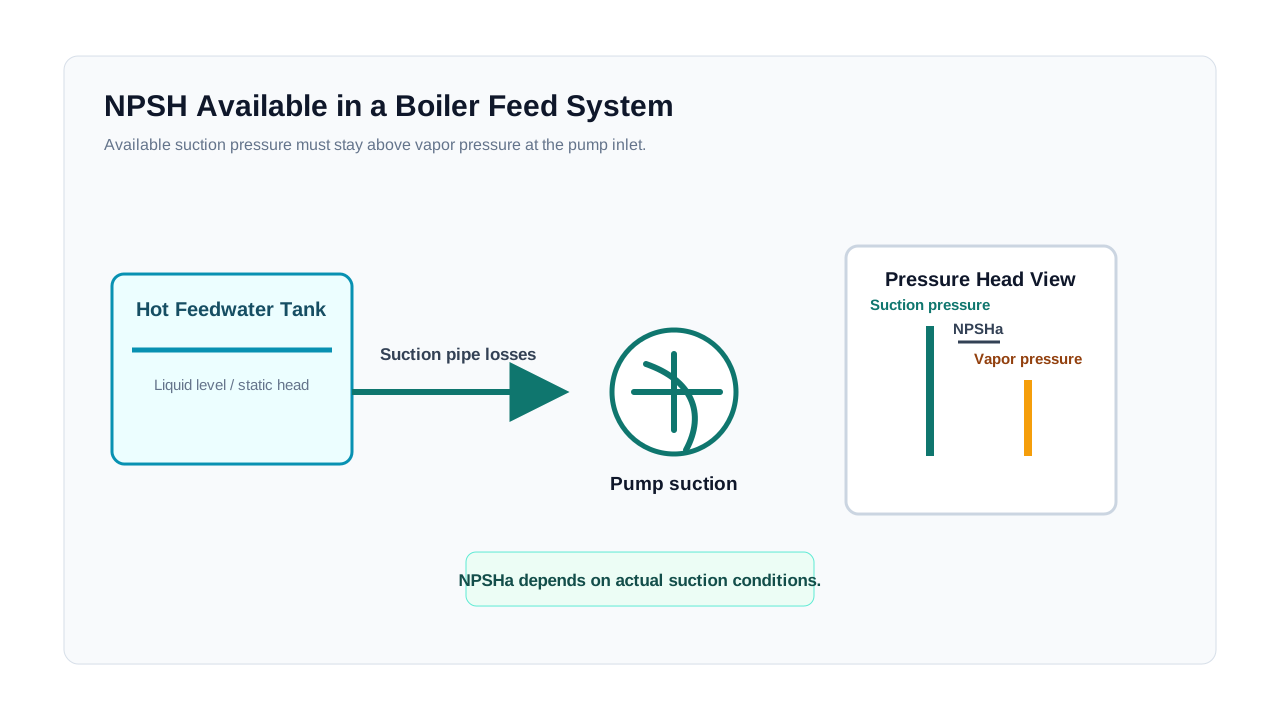
NPSH available and suction conditions in a boiler feed pump system
NPSH Available depends on suction pressure, liquid level, vapor pressure, and suction-side losses.

Net Positive Suction Head, or NPSH, is one of the most important considerations when selecting a boiler feed pump, especially when the feedwater is hot.

A pump can appear to meet the required flow and head and still experience cavitation if the pressure available at the pump suction is not sufficient for the operating conditions.

For a preliminary boiler feed pump duty-point estimate, use the Boiler Feed Pump Calculator. Final NPSH selection should still be checked against actual system conditions and manufacturer pump data.
What Does NPSH Mean?

NPSH stands for Net Positive Suction Head. It describes the pressure conditions at the pump suction relative to the liquid vapor pressure.

The two values most commonly used during pump selection are NPSH Available and NPSH Required. NPSHa describes what the system provides to the pump, while NPSHr describes what the pump requires at a particular operating condition.

A suitable installation needs enough available NPSH for the selected pump.

  • NPSH Available (NPSHa)
  • NPSH Required (NPSHr)
  • NPSH margin

Why NPSH Is Important for Boiler Feed Pumps

Boiler feedwater can operate at elevated temperatures. As liquid temperature rises, vapor pressure also rises, reducing the pressure margin available at the pump suction.

A pump can satisfy the required flow and head but still have an unsuitable suction condition if available NPSH is too low.

NPSH should be checked together with required flow and head rather than treated as a separate afterthought.

Complete sizing context - How to Size a Boiler Feed Pump

What Is NPSH Available?

NPSH Available is determined by the actual feedwater system. It depends on feedwater temperature, suction source pressure, static liquid level, elevation, suction pipe losses, valves, fittings, pump location, and fluid vapor pressure.

The available pressure at the pump inlet must remain sufficiently above the liquid vapor pressure under operating conditions.

The exact calculation form depends on the system reference point and pressure definitions.

Formula

NPSHa = Absolute Suction Pressure Head + Static Head - Vapor Pressure Head - Suction Losses

What Is NPSH Required?

NPSH Required is a characteristic of the pump and is normally obtained from manufacturer pump performance data.

NPSHr changes with operating conditions, including flow rate and pump speed. It should not be treated as one universal value for every operating point.

The value should be checked at the actual or expected duty point.

NPSHa vs NPSHr

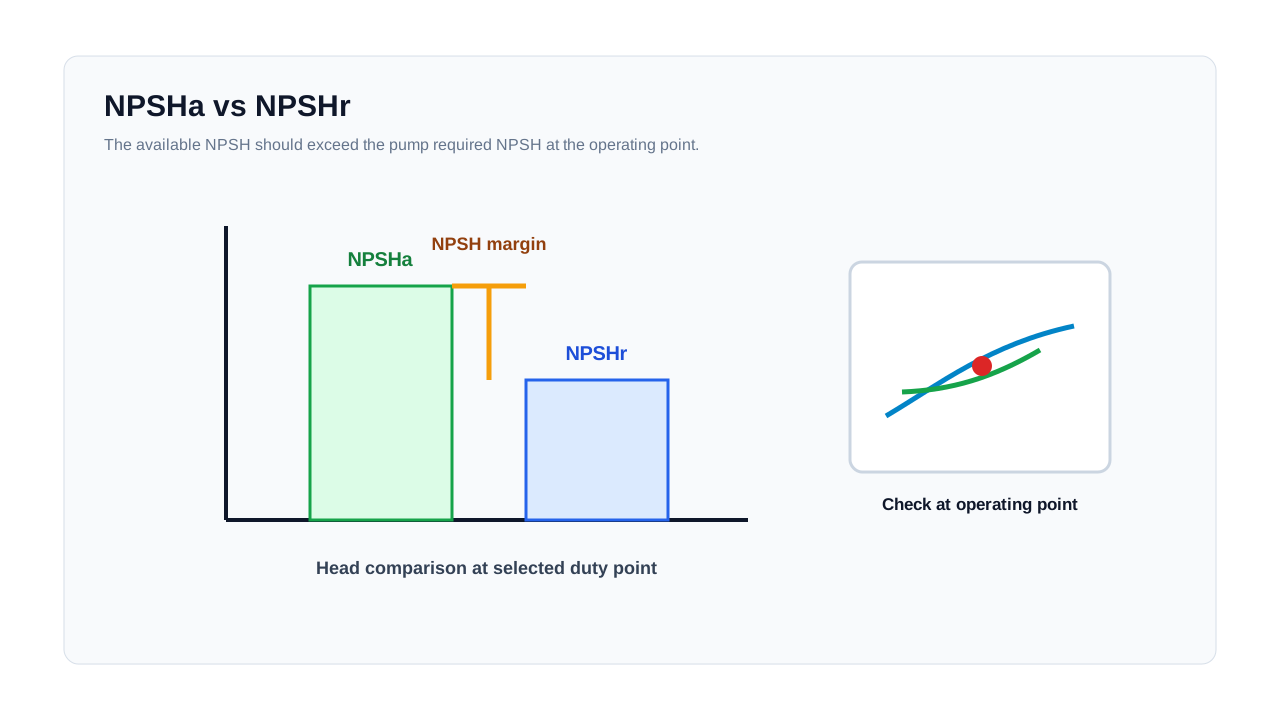
Comparison of NPSH available and NPSH required for a boiler feed pump
The available NPSH should exceed required NPSH with an appropriate margin for the application.

The available NPSH must provide sufficient margin above the pump required NPSH for the intended operating condition.

Simply comparing two numbers without considering operating range is not enough. Flow rate, feedwater temperature, suction pressure, liquid level, system configuration, and pump operating condition can all change the margin.

Formula

NPSHa > NPSHr

What Is Cavitation?

Cavitation occurs when local pressure in the liquid falls enough for vapor bubbles to form. As these bubbles move into higher-pressure regions, they can collapse rapidly.

Inside a pump, repeated vapor formation and collapse can cause noise, vibration, loss of performance, hydraulic component damage, and accelerated wear.

NPSH is an important part of preventing these operating problems.

Why Hot Feedwater Requires Extra Attention

Temperature is particularly important in boiler feedwater systems. As water temperature increases, vapor pressure increases.

That reduces the pressure margin available before vapor formation becomes possible. A system that appears acceptable at a lower water temperature may have much smaller NPSH margin at a higher feedwater temperature.

How Suction Pressure and Losses Affect NPSH

Higher absolute pressure at the pump suction generally provides more pressure head above the liquid vapor pressure. Lower suction pressure reduces that margin.

Losses on the suction side reduce the pressure available at the pump inlet. Excessive velocity, long suction lines, small pipe diameter, fittings, valves, filters, strainers, and poor piping arrangements can all increase suction-side losses.

For related pressure and head concepts, see How to Calculate Boiler Feed Pump Head.

Related head guide - How to Calculate Boiler Feed Pump Head

How to Check NPSH During Pump Selection

A practical NPSH review starts by determining the operating flow and feedwater temperature. Then identify the absolute suction pressure and suction-side losses.

Calculate NPSHa from the actual system conditions, obtain NPSHr from the manufacturer data for the selected model and duty point, and compare NPSHa with NPSHr.

The review should consider the expected operating range rather than relying on one idealized condition.

  • Determine operating flow
  • Determine feedwater temperature
  • Identify suction pressure
  • Evaluate suction-side losses
  • Calculate NPSHa
  • Check manufacturer NPSHr

NPSH Margin

NPSH margin is the difference between what the system provides and what the pump requires.

A positive margin indicates that available NPSH exceeds the required value. The appropriate margin depends on the pump, system, operating range, project standards, and manufacturer recommendations.

Avoid applying a universal margin without understanding the actual application.

Formula

NPSH Margin = NPSHa - NPSHr

Common Mistakes

  • Checking NPSH only after selecting the pump
  • Using gauge pressure without considering the reference
  • Ignoring feedwater temperature
  • Ignoring suction pipe losses
  • Using NPSHr from the wrong operating point
  • Assuming a positive NPSH difference guarantees perfect operation

Related Boiler Feed Pump Guides